

March is Ugly.
March may be messy in the garden, but there’s still plenty to do. From seed starting to pruning, master gardener Jennifer Deeks has some practical tips to help you get ready for spring.

COMMUNITY CONTRIBUTION
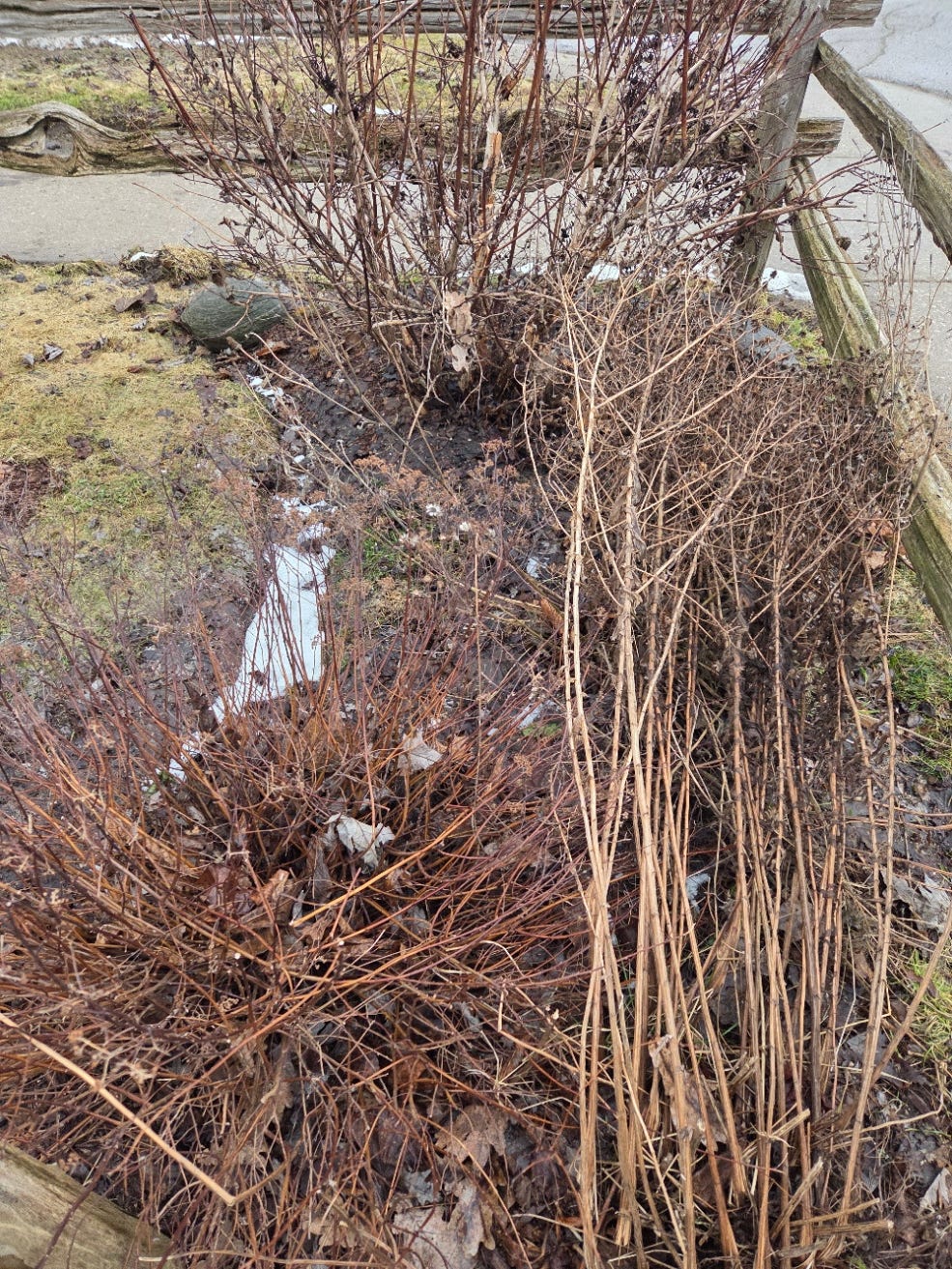
March is an ugly month in the garden. Despite ushering in the official first day of spring, it is more like a no-man’s land between seasons. Too warm to be winter and too cold to be pleasant. Painted in shades of mud and road salt. Dirty snow melting to review broken limbs and torn up sod. To distract you from the wreckage of winter, may I suggest some alternate garden activities?
Seed starting: If you haven’t already, there are lots of vegetable and flower seeds that can be started and nurtured indoors until the danger of frost has passed (mid-May in the Owen Sound area). This is an excellent time to begin growing plants who need a longer growing season than we have to offer them in Ontario. Tomatoes, eggplants, and hot peppers, are all slow to mature and benefit from an indoor head start.
Tool maintenance: I know better but, by the end of autumn I’m tired, and the garden tools get tossed into the potting shed to be forgotten about until spring. If you are irresponsible about your tools like I am, you should take advantage of this time to clean and sharpen them so they’re ready to go for the upcoming season.
Pruning shrubs: For shrubs that flower in summer and fall, including Rose of Sharon, spirea, potentilla, dog wood, and Annabelle hydrangeas, this period of dormancy is the best time to prune them for shape and improve blooms later in the year.
Look for community garden events: “Seedy Saturdays” are a grassroots event hosted across the country through March and April. The events represent a chance to check out locally sourced seeds and meet with other plant-minded folks. Some of these are combined with houseplant swaps or feature vendors with unique products, like mushroom-growing logs. The Owen Sound library also hosts a “seed library” where you can sign out seeds to grow this season and share them back to the seed library in the fall.
There are a couple of areas where you should exercise restraint and remain in winter hibernation mode a bit longer.
The first is not to accidentally prune your spring-flowering shrubs, and this includes your service berry, magnolia, forsythia and lilac. They set their flower buds in the fall, so if you prune now, you will lose all this season’s flowers.
The other is working wet soil because it is fragile and easily damaged. If you dig in it and walk on it while its wet, you compact the soil particles, causing them to dry out in large clumps.
To tell if your soil is dry enough to work in the garden, pick up a handful of soil and squish it in your hands. If it makes a muddy, sticky ball that holds its shape, that is too wet.
I know that in just a few weeks, the gardens will green up and spring to life. Until then, I will do my best to look past the muddy mess and seek garden bliss in other activities.
Thank you to sponsors of The Owen Sound Current Writers’ Fund, who make these community contributions possible. Contributions from the community do not necessarily reflect the opinions or beliefs of The Owen Sound Current and its editor or publisher.
Related:


 | A guest post by
|