

Grey Sauble Raises Concerns as Province Pushes Plan for Conservation Authority Consolidation Ahead
Grey Sauble Conservation Authority is raising concerns about Ontario’s plan to merge 36 conservation authorities into nine regional bodies by 2027.

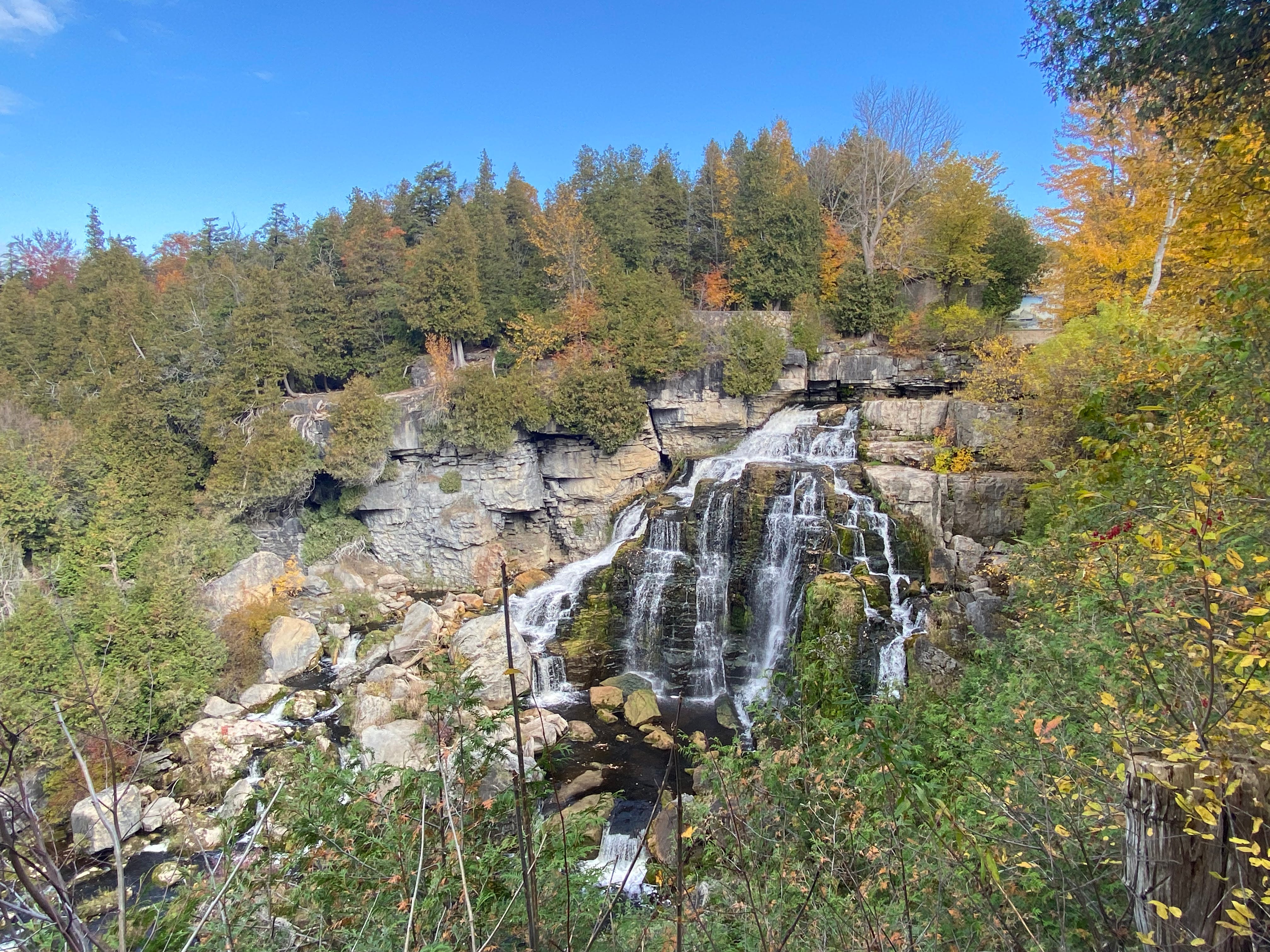
The Grey Sauble Conservation Authority (GSCA) is raising concerns about the Ontario government’s plan to consolidate the province’s 36 conservation authorities into nine regional bodies.
The proposal, announced March 10 by the Ministry of the Environment, Conservation and Parks, would see GSCA merged with several other authorities — including Saugeen Valley, Maitland Valley, Ausable Bayfield, Nottawasaga Valley, and Lake Simcoe Region — to form a new Lake Huron Regional Conservation Authority.
The proposed region would stretch from Lake Simcoe west to approximately Port Franks along Lake Huron.
The Province says the consolidation is intended to improve consistency across conservation authorities, reduce administrative duplication, modernize data systems, and increase transparency. It has also framed the changes as part of a broader effort to streamline permitting and support housing and infrastructure development.
In a statement, GSCA said those concerns are being overstated and reflect only part of the work carried out by conservation authorities.
The organization pointed to its broader responsibilities, including watershed management, natural hazard mitigation, source water protection, land stewardship, and community programming.
“We’re not convinced that the proposed changes address these concerns,” said GSCA Chief Administrative Officer Tim Lanthier.
Local Representation a Key Concern
Under the proposed model, conservation authorities would remain municipally governed, but representation would shift from lower-tier municipalities — such as towns and townships — to upper-tier and single-tier municipalities.
GSCA says that change could significantly reduce local representation, and they do not feel their feedback during the consultation process was considered.
“The Minister has stated that they’re listening to the concerns that were raised through the ERO process,” Lanthier shared in the prepared statement. “Our previous concerns about the loss of the local rural voice, rural priorities and rural representation remain largely unaddressed, as do concerns regarding transition timelines.”
Lanthier also noted that reviewing the feedback submissions available ERO website suggested that the majority of comments were opposed to the proposed consolidation, and urged the Province to use other tools instead.
Currently, 26 elected officials from lower-tier municipalities sit on the boards of Grey Sauble and Saugeen Valley conservation authorities. Under the proposed structure, representation would likely be reduced to one representative each from Grey County and Bruce County.
At the same time, GSCA notes that higher-growth areas within the new, larger region — particularly around Lake Simcoe — would carry a greater share of representation.
The Province has proposed the creation of local watershed councils to help maintain local input, but GSCA says details about their role and authority have not yet been provided.
“Local knowledge and accountability are essential to effective watershed management,” said GSCA Board Chair Scott Greig. “It will be important to ensure that local voices continue to play a meaningful role.”
The concerns raised by Grey Sauble reflect a broader pattern of opposition across the region. Several Grey-Bruce municipalities, including the Township of Chatsworth and the City of Owen Sound, have formally opposed earlier versions of the Province’s plan, citing risks to local governance, increased costs, and the loss of watershed-based decision-making.
In resolutions passed late last year, municipal councils argued that existing conservation authorities are already meeting provincial standards and delivering services effectively.
They warned that large-scale consolidation could dilute local representation, redirect locally generated revenues, and introduce additional layers of bureaucracy, while offering limited evidence of improved outcomes.
Municipal leaders have called instead for targeted improvements — such as better funding, consistent tools, and modernization — without dismantling the current system.
Timeline and Transition
The Province’s plan would reduce the number of conservation authorities from 36 to nine by early 2027.
A transition steering committee made up of conservation authority chief administrative officers and board members would oversee the process, supported by the Ontario Provincial Conservation Agency (OPCA), a new centralized body established in 2025.
The Province has committed $3 million in annual funding to support the transition. Provincial funding for conservation authorities was reduced by approximately $3.5 million in 2019.
GSCA said it will continue delivering programs and services during the transition and will work with the Province and partner organizations as more details become available.
Legislative amendments to the Conservation Authorities Act are expected in the coming weeks.
Background: Ongoing Debate Over Role of Conservation Authorities
The consolidation proposal follows several years of changes to Ontario’s conservation authority system, including legislation that has limited their role in development review and expanded provincial oversight.
The Province has said the current system is fragmented and contributes to inconsistent standards and delays for builders and municipalities.
Critics, including conservation authorities and environmental advocates, have raised concerns about the potential loss of local decision-making and the impact on watershed protection.
For Grey-Bruce, questions remain about how local priorities will be represented within a significantly larger regional structure, and what the changes will mean for long-term environmental oversight.
Related:

