

Public Health Urges Precautions as Air Quality Health Index Reaches ‘Very High Risk’
Grey-Bruce Public Health warns residents and visitors that air quality observed from the Tiverton station has reached the highest possible risk level, and shares recommendations for limiting exposure.

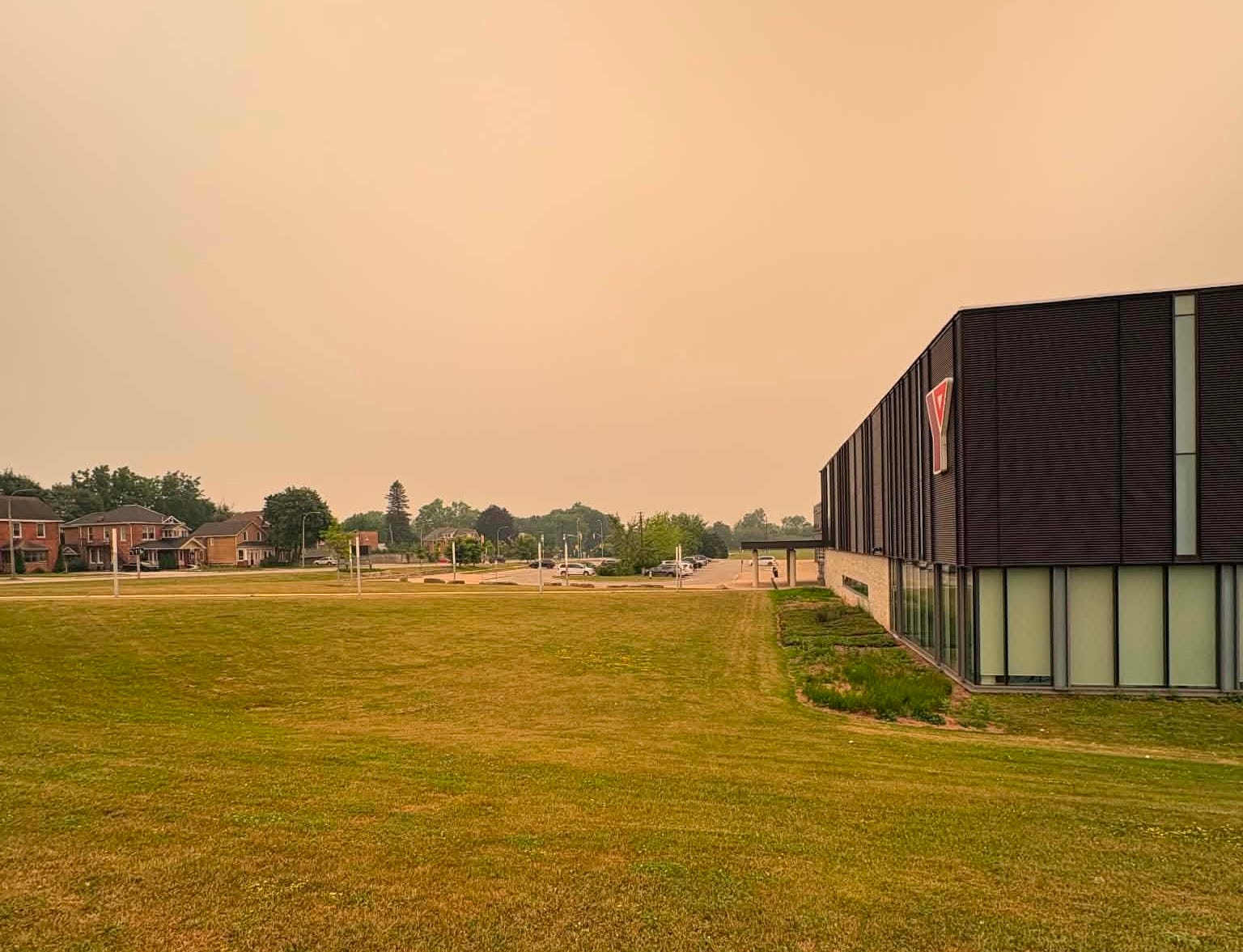
Grey Bruce Public Health is advising residents and visitors to take steps to safeguard their health as the area continues to deal with a heat event, along with very poor air quality, caused by wildfire smoke pushed into the area from northwestern Ontario.
The Grey-Bruce area (observed at the Tiverton station) is expected to have an air quality risk level of 10+ – the highest possible level – for the remainder of the day Wednesday. It is expected to drop to 9 or high-risk Thursday.
Environment & Climate Change Canada has issued two warnings for Grey-Bruce, and a large swath of Ontario. An Orange-level warning is in place due to the air quality, meaning it is likely to cause significant disruption or health impacts.
A Yellow-level heat warning has also been issued as the humidity is expected to make temperatures feel above 30 C.
Everyone’s health, regardless of age or health status, is at risk during periods of very poor air quality and during heavy smoke conditions. The extreme heat can also impact anyone’s health.
Grey Bruce Public Health recommends the following:
• For the general population: Reduce or reschedule strenuous activities outdoors, especially if experiencing symptoms, such as coughing and throat irritation.
• For the At-Risk population (people with heart or breathing problems): Avoid strenuous activities outdoors. Children and the elderly should also avoid outdoor physical exertion.
Please continue to monitor air quality alerts and forecasts issued by the provincial Air Quality Health Index (AQHI) and monitor any symptoms that may have been caused by exposure to low air quality.
People more likely to be impacted by wildfire smoke include those aged 65 and older, pregnant people, infants and young children, and people with an existing illness or chronic health condition.
The poor air quality can cause people to experience mild symptoms, such as eye, nose and throat irritation, headaches or a mild cough. More serious, but less common symptoms, include wheezing, chest pains or severe cough. Anyone experiencing a medical emergency should seek immediate medical assistance.
During periods of extreme heat and poor air quality, people should prioritize keeping cool.
GBPH advises:
If you must spend time outdoors, limit the time as much as possible. • When indoors, keep windows and doors closed as much as possible. Protect indoor air from wildfire smoke.
Using recirculation settings on HVAC systems.
Using a clean, good-quality air filter in ventilation systems.
Using an air purifier with a HEPA filter.
If needed, visiting community centres, libraries, and shopping malls, which often have cleaner filtered air.
Air quality conditions may improve Friday morning.
Submitted by Grey Bruce Public Health
Related:

