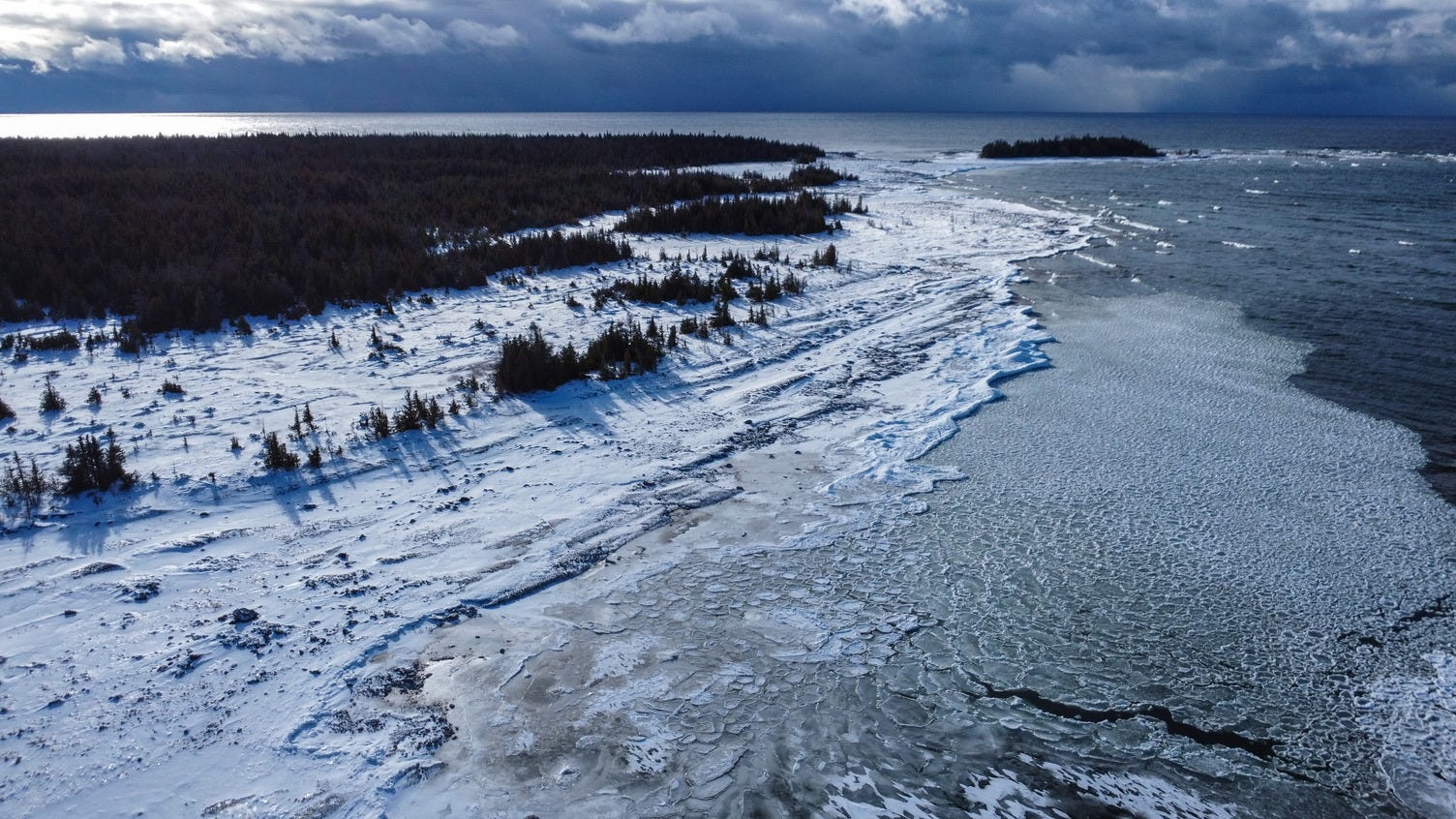
New Protected Land at Baptist Harbour Fills Key Environmental Protection Gap on Saugeen (Bruce) Peninsula
Nearly 20 hectares of shoreline and rare habitat at Baptist Harbour have been protected, as Nature Conservancy of Canada says it has closed a key gap in the peninsula’s conservation network.
A stretch of shoreline at Baptist Harbour on the Saugeen (Bruce) Peninsula has been secured for conservation, closing what the Nature Conservancy of Canada (NCC) describes as a key gap in an existing network of protected lands.
NCC announced March 31 that it has secured nearly 20 hectares of land in the area, including a section of undeveloped Lake Huron shoreline, wetlands, forest, and rare alvar habitat.
The property sits within Saukiing Anishinaabekiing and is surrounded by other protected lands, making it a critical link in a broader conservation corridor along the peninsula.
Why this piece of land matters
Very little of the Saugeen Peninsula’s shoreline remains both undeveloped and unprotected.
This parcel, located near Tobermory, connects existing conservation lands — something NCC says strengthens the movement of wildlife across the region and helps maintain ecological stability.
The area includes alvar, a globally rare ecosystem found in only a few places worldwide, where plant species grow on exposed limestone. It also contains wetlands and forested areas that play a role in filtering water, preventing erosion, and supporting biodiversity.
According to NCC, the site provides habitat for species at risk, including the eastern massasauga rattlesnake, as well as migratory birds such as the common nighthawk and eastern whip-poor-will.
What it means for nearby communities
While the announcement focuses on conservation, the impacts extend beyond the property itself.
Wetlands help absorb and filter water, shorelines reduce erosion, and forests contribute to groundwater protection and air quality. Together, those systems support the environmental conditions that communities in Grey-Bruce rely on.
The property also sits in a region that is both a tourism destination and a biodiversity hotspot, meaning pressures on land use remain high.
How the project came together
The Nature Conservancy of Canada says the land was secured through partnerships with multiple levels of government and private supporters.
Funding contributors include the Government of Ontario, the Government of Canada, and Bruce Power, among others.
The province’s Greenlands Conservation Partnership Program — which supports the protection of privately owned natural areas — was one of the funding sources for the acquisition.
What’s next
NCC says the focus now shifts to long-term stewardship of the property, working with partners and local knowledge to manage the land.
The organization has protected more than 2,100 hectares on the Saugeen Peninsula to date, with this latest acquisition adding to a growing network of connected conservation lands.
Related: