

Letter: Council's Ice Fishing Rescue Cost Recovery Decision is a Miss for Accountability
A resident questions Owen Sound council’s decision not to pursue cost recovery after ice rescue, raising concerns about accountability and public safety messaging.

LETTER TO THE EDITOR
Dear Editor,
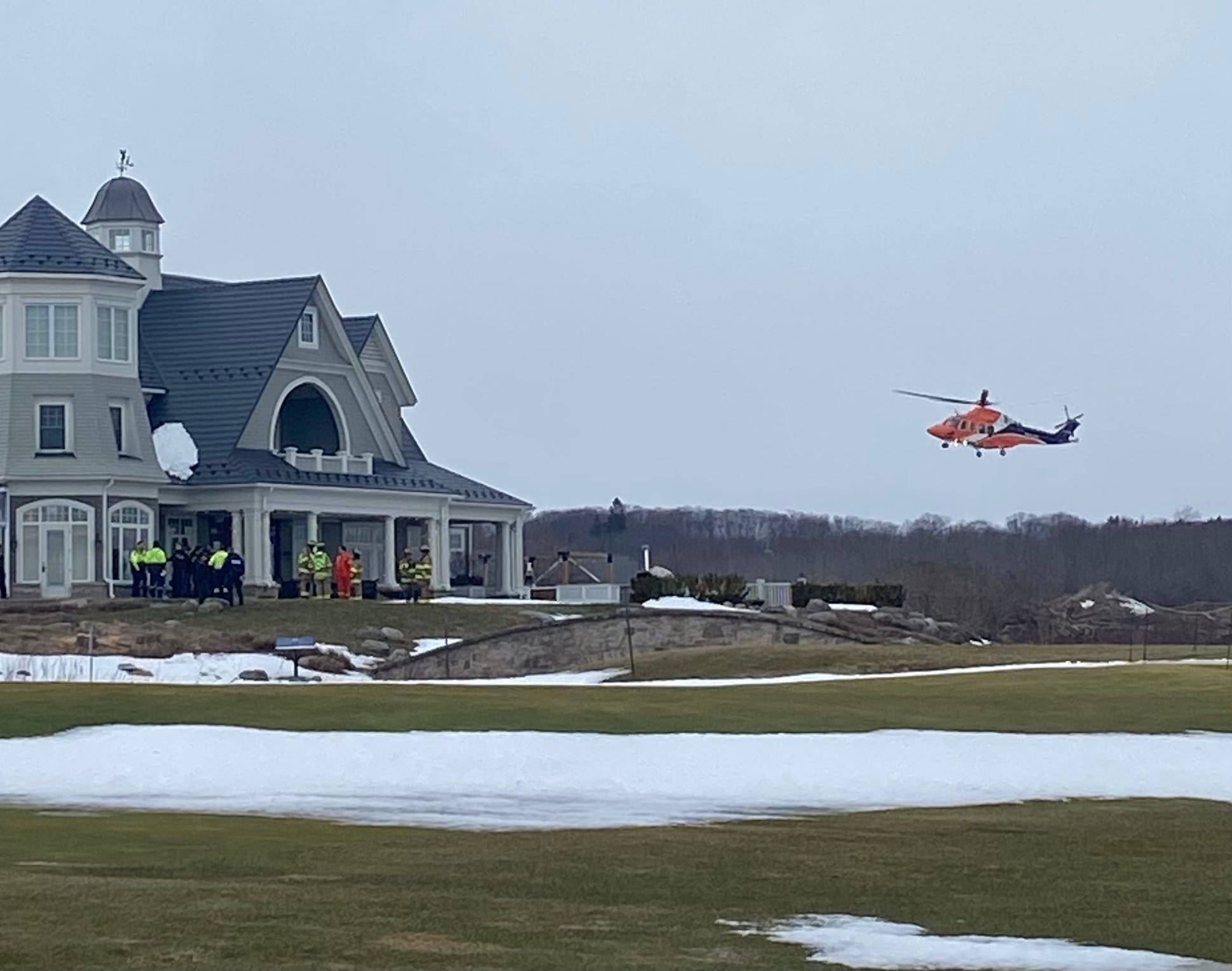
First, credit where it’s due. The response to the March 8 ice rescue was fast, coordinated, and effective. Two OPP helicopters, along with police, fire, paramedics and other agencies, brought 23 people home safely. That outcome deserves recognition, because it could have ended quite differently.
However, council’s decision not to pursue any form of cost recovery, or deliver clearer messaging on accountability, deserves further questioning.
I acknowledge the constraints council had to weigh. Privacy laws, jurisdictional issues, and the logistics of identifying individuals make billing difficult, and concerns about discouraging 911 calls were also raised.
But does that reasoning truly stand up to common sense?
Would someone stranded on a drifting ice floe hesitate to call for help over cost, or would they do what anyone would do and call immediately because their life depended on it?
One of the anglers involved argued that billing could discourage people from calling for help, but also suggested there should be clear rules about when it is safe to be on the ice and consequences for those who ignore them. That tension points to what is missing from this decision.
There is also the concern that even discussing accountability could harm Owen Sound’s reputation or tourism. What kind of reputation is being protected? Would accountability really drive people away, or would it signal that this is a place where people’s safety matters, where the environment is respected, and where good judgment is expected?
Look at Lake Simcoe. Similar ice rescues have occurred there, sometimes with regularity, yet it remains one of Ontario’s busiest ice fishing destinations.
It is a different waterbody and fishery, but safety messaging and expectations of responsibility have not driven people away. They have become part of the culture. That suggests accountability and strong messaging do not weaken a destination, they help define it.
Incidents like this are not unavoidable. I’ve spent decades on these waters, and when the ice sets up, you learn how it behaves. You learn where pressure cracks form, how wind and current move the pack, and where weak points develop along a shoreline.
You also learn that ice is never static, and that even experience has limits. The bay has a way of reminding you that it is always in control.
I have also had training around water, including ice safety, and even with that background, I approach Georgian Bay with caution.
I was down at the bay the day before this happened, and the conditions were already sketchy enough that venturing out wasn’t even a consideration. Today we have access to detailed weather forecasts, wind direction and speed models, temperature trends, and near real-time conditions that give a clear picture of how ice is likely to behave. Combined with local knowledge, the risks are there to be seen.
These anglers were fortunate the outcome wasn’t worse. A change in wind, a delay in response, or more time in the water could have led to a very different result. Cold water, moving ice, exposure… these are unforgiving, and once things start to go wrong, they escalate quickly.
Rescue operations like this are not minor events. While Owen Sound’s direct costs were reported at about $4,700 for fire services alone, that figure reflects only part of the response. Helicopters, OPP, paramedics, coordination, fuel, and staffing all factor into what is a significant deployment of public resources, and those costs are ultimately borne by the public.
None of this is about denying help. We are fortunate to have emergency services that respond quickly and professionally.
But when preventable situations are treated as unavoidable, it sends the wrong message and normalizes risk that should be recognized and avoided.
If billing is not workable, that’s fine, but should the conversation end here? There are other ways to reinforce responsibility, starting with public messaging around high-risk conditions and better use of the tools already available to assess them.
There is also room for personal accountability. What about encouraging voluntary contributions to support first responders? Supporting local fisheries and conservation efforts? Some form of environmental cleanup to account for the thousands of dollars of fishing gear left on the lake bottom? All likely inert, but a burden to the bay nonetheless...
This was a successful rescue, and we should be grateful for that. But if accountability isn’t part of the outcome, something important was missed.
Respectfully,
Sasha Fernando
Owen Sound
Letters to the Editor do not necessarily reflect the opinions or beliefs of The Owen Sound Current and its editor or publisher.
Related:


