
Let The Garden Season Begin! And Let's Avoid These Invasive Plants
Master Gardener Jennifer Deeks shares invasive species to avoid and good resources to check your garden wish list against as gardening season gets into full swing.

COMMUNITY CONTRIBUTION
The upcoming Victoria Day weekend is widely considered the unofficial start of gardening season in Ontario, and the garden centers will be extra busy. The online market will soon be saturated with people thinning their “pretty orange lilies” and “easy groundcovers”! If a plant is available for sale, then it must mean that it’s okay to plant, right?
The government threshold for deciding to restrict or ban the sale of a plant usually hinges on safety (giant hogweed) damage to buildings (Japanese knotweed) or an agricultural economic threat (Canadian thistle – which is not Canadian at all). This results in a whole range of plants that can be a substantial problem environmentally, but they are not illegal and anyone can sell them.
I would love to see nurseriestake more responsibility for the type of plant they sell and their role in educating the consumer. Unfortunately, the philosophy of most plant sellers is that if people want it, they will sell it. If you see someone online selling large quantities of a plant because it’s “so easy to grow”, that is your first red flag that it may become a problem.
Since the government won’t worry about it until it’s a very expensive problem and the sellers won’t worry about it because they need to turn a profit, the onus now falls on the consumer to research what they buy. And my general impression - in plants and otherwise - is that we are not especially good at that.
Since our plant supply chain is poor at self-regulating, I have a few suggestions for plants that you should give a pass when you see them for sale anywhere.
This list is not exhaustive but contains some of the worst offenders for garden escapes and damage to natural areas. Some of them are newly emerging as problems in Ontario but are already restricted in the U.S. states closest to us. Since invasive plants don’t respect borders, it is worth taking note.
Barberry (Berberis spp.) – thorny shrubs that provide cover for small rodents and are prime habitat for ticks.
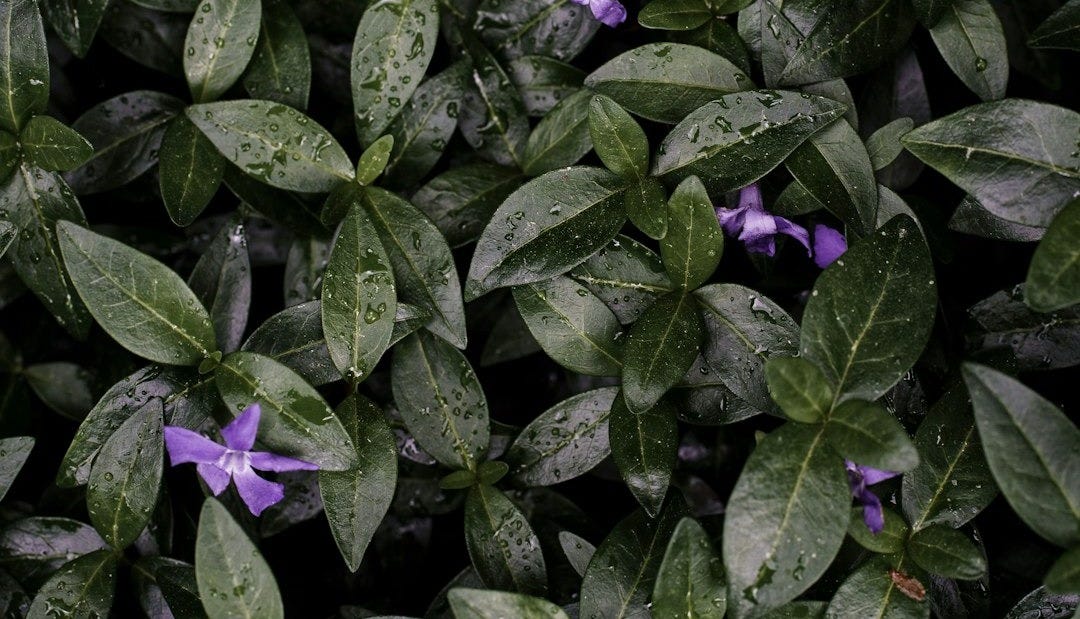
Periwinkle (Vinca minor) – develops dense mats of roots that carpet forest floors and outcompete all native species.
Ditch lily (Hemerocallis fulva) – common orange daylilies sometimes called “tiger lilies” (which they are not) escape cultivation and form dense stands.
Goutweed (Aegopodium podagraria) – Also called “Ground Elder” or “Bishop’s Weed” the Facebook group for goutweed removal support has about 10000 members. Don’t become one of them.
Burning bush (Euonymus alatus) – The berries from these shrubs are widely dispersed by birds where they are establishing themselves in natural areas across Southern Ontario
Before you load up your shopping cart this long weekend, take a few minutes to review the plants you were thinking about adding to the garden. A great reference for learning more about invasive garden species is the Canadian Coalition for Invasive Plant Regulation (www.ccipr.ca).
The most comprehensive list that we have available for plants that are likely to escape cultivation and damage natural spaces in Ontario comes from the Credit Valley Conservation Authority (www.cvc.ca) and they offer a selection of recommended alternatives. Happy Gardening!
Thank you to sponsors of The Owen Sound Current Writers’ Fund, who make these community contributions possible. Contributions from the community do not necessarily reflect the opinions or beliefs of The Owen Sound Current and its editor or publisher.


