

Grey County Reports Substantial Decrease in Opioid-Related Deaths and Overdoses
Grey County reports a 72% decrease in opioid-related deaths in 2025, attributing the improvement to collaborative outreach through the Supportive Outreach Services (SOS) program.

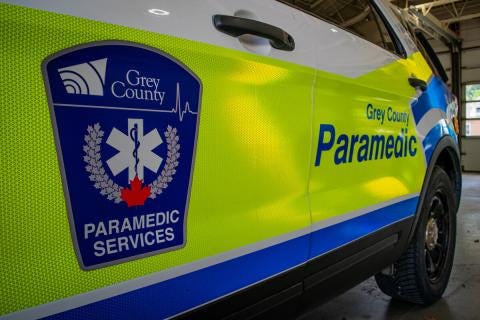
Grey County has reported a significant decline in opioid-related deaths and overdoses over the past year, according to year-end data from Grey County Paramedic Services. The number of suspected opioid-related deaths dropped from 18 in 2024 to five in 2025 — a 72% reduction.
Overdose incidents also fell by 61 percent, from 184 to 72.
While the final provincial data for 2025 has not yet been released, Grey County stated that, based on the first three quarters of available Ontario data, the region’s progress appears to be outpacing the provincial average.
“While year-end provincial statistics for 2025 are not yet available, based on the first three quarters of provincial data, Grey County appears to be showing a reduction in opioid-related deaths and overdoses outpacing provincial declines,” the County said in a February 2 update.
County officials credit the decline to a broad-based, collaborative response to the opioid crisis.
Central to the effort is the Supportive Outreach Services (SOS) program, the County says. SOS provides mobile support to individuals who are unhoused or precariously housed and often face barriers accessing healthcare through traditional channels.
The SOS team includes mental health counsellors from CMHA Grey Bruce, a nurse practitioner from Brightshores Health System, Peer Support Workers with lived and Indigenous experience, community paramedics from Grey County, a social navigator from the United Way of Bruce Grey, and a consulting physician specializing in primary care and addiction medicine.
Grey Bruce Public Health supports the program with guidance and oversight, while more than two dozen partner agencies contribute through direct services or referrals.
Grey County Paramedic Chief Kevin McNab said the SOS model builds trust with clients by meeting basic needs and offering care in a non-judgmental, accessible way.
“The SOS program and other support services in Grey County provide a wraparound approach to providing care. SOS may be the first point of contact providing basic needs and immediate care. As trust is built, clients can be referred to other services for further mental health or medical treatment, or social supports like housing and life skills development,” said McNab.
In its statement, the County also cited a 2025 study by Western University that reportedly found the SOS program was saving lives and had “profound, measurable impacts” rooted in community collaboration. The study itself was not linked or independently verified.
Another development credited in the County’s report is the introduction of Sublocade — a long-acting buprenorphine injection that reduces cravings and withdrawal symptoms — which has been made available through the SOS mobile team.
Over 40 people in Grey County are currently receiving the treatment. For individuals who cannot access traditional healthcare, the SOS team can administer the medication directly in the community.
Nurse Practitioner Heather Prescott of Brightshores Health System explained that medications like Sublocade offer a safer and more stable path for people trying to reduce their reliance on the unregulated drug supply.
The team also distributes naloxone kits and offers overdose prevention education to individuals, families, and peer networks.
The SOS program expanded its service from three to seven days a week in 2025, with funding from Ontario Health and Health Canada. While encouraged by the results, program leaders say sustained collaboration remains critical.
“The 2025 numbers are positive, but they aren’t zero. We know we have more work to do,” said McNab. “Substances in drug supplies are always changing, and we need to stay ready to react and respond — not as individual services, but as a system of care.”
Grey County Warden Andrea Matrosovs also emphasized the importance of continued joint efforts.
“Taking a collaborative, multi-agency approach to the opioid epidemic is working in Grey County and it’s saving lives,” said Matrosovs. “Local non-profit organizations, hospitals, public health and municipalities have a shared focus on improving the outcomes of those struggling with mental health and addiction in the County.”
Related:


This data is so encouraging. The understanding of the importance of relationships in building trust and helping people access the necessary help is resulting in lives being saved and improved. Thank you to everyone who has a part in making this happen. Our community is well served by you.