
Grey & Bruce Counties Seek Public Input on Regional Transit as Demand Rises
Bruce, Dufferin, Grey, and Wellington Counties are exploring a unified rural transit system. A public survey, open until Jan. 25, 2026, invites residents to weigh in on regional transportation.

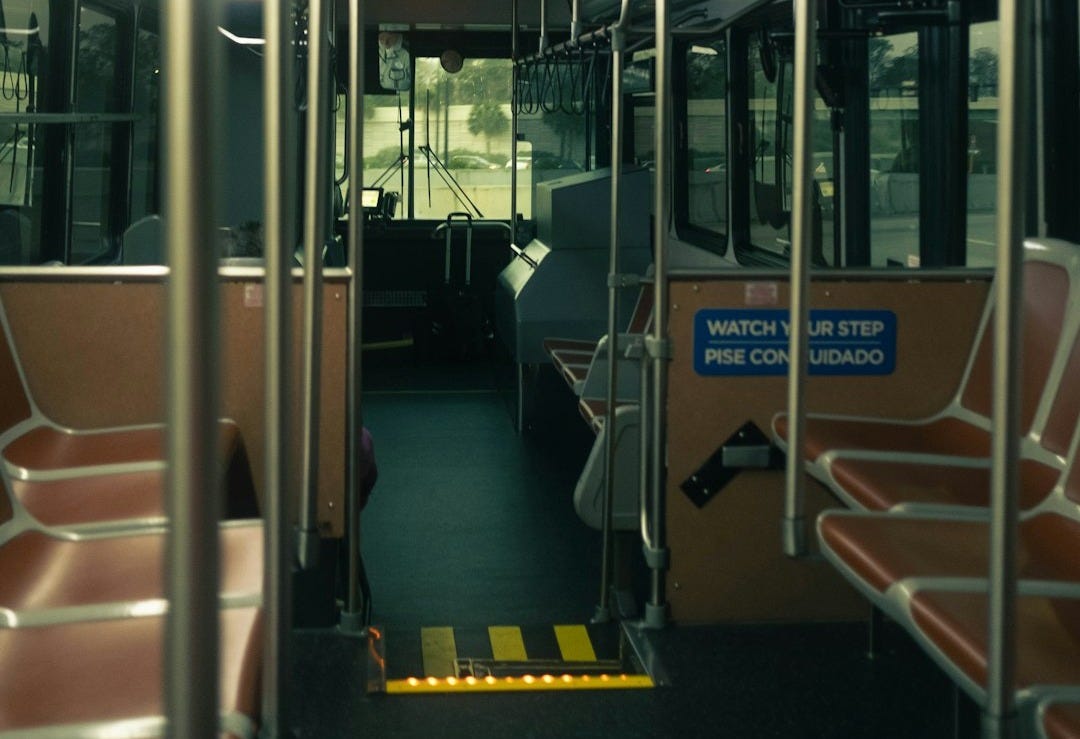
As rural communities across Bruce, Dufferin, Grey, and Wellington Counties face mounting transportation challenges, a new regional transit study is asking residents to weigh in on what future service should look like — and where it’s most urgently needed.
The counties, in partnership with Saugeen Mobility and Regional Transit (SMART), have launched a public survey as part of a broader feasibility study on creating a unified transit network. The goal is to better connect residents across the region, particularly in areas with few or no transit options.
While the counties’ joint news release highlights the potential for improving service and efficiency through collaboration, it offers few specifics about where service gaps currently exist or which communities are most at risk of being left behind.
Nor does it mention the limited access many rural residents already face, especially those without vehicles, seniors, or individuals with disabilities — a longstanding issue in communities where public transit is sparse or nonexistent.
What’s On the Table?
The study, led by Dillon Consulting Limited, aims to answer several key questions:
Is a unified rural transit system feasible across four counties?
What routes and service levels are realistic?
How should fares and funding be structured?
And how can new services integrate with existing ones?
Dillon’s report is expected to go before county councils by mid-2026.
Why Now?
Rural transportation needs have grown steadily in recent years due to population increases, aging demographics, and rising costs of living and vehicle ownership. But transit access hasn’t kept pace, especially outside urban centres like Owen Sound, Orangeville, and Guelph.
The $50,000 in federal support from the Rural Transit Solutions Fund will go toward studying how to bridge those growing gaps.
However, it remains unclear how much funding would be required to implement any future system — or how costs would be shared between counties, municipalities, and potential riders.
How to Get Involved
The public survey — available until January 25, 2026 — asks residents about their current travel patterns, transit priorities, and opinions on local transportation options. It takes about 5 to 10 minutes to complete and is available online at:
👉 www.surveymonkey.com/r/BDGWtransitsurvey
Paper copies are also available at county offices and some libraries, including:
Bruce County: 30 Park St, Walkerton
Grey County: 595 9th Ave E, Owen Sound
Dufferin County: 55 Zina St or Edelbrock Centre, 30 Centre St, Orangeville
Wellington County: 74 Woolwich St, Guelph
The full list of participating libraries is available via library.brucecounty.on.ca.
Community Engagement Events Coming in January
In addition to the survey, residents will have a chance to speak with project staff at three public engagement sessions in January — two in person and one virtual. Dates and locations have not yet been announced but will be posted at grey.ca/regional-transit once confirmed.
While the study promises to explore integration and service expansion, there’s no guarantee of outcomes — and so far, the counties have not committed to any specific service changes or funding strategies.
For residents who already lack reliable transit options, especially in remote or underserved areas, the urgency is clear. But the process is still in the early stages, and without clear targets or implementation timelines, any real change could still be years away.
For now, the survey is a key opportunity for residents to voice their needs, and to push for transit solutions that reflect the realities of rural living.
Related:


