

Firefighter Salaries Increase 21.3% from 2019 to 2026 Under Arbitration Award; City Reviewing Financial Impact
A new arbitration decision sets Owen Sound firefighter wages and benefits through 2026, including retroactive pay increases, as the City reviews the full financial impact on taxpayers.

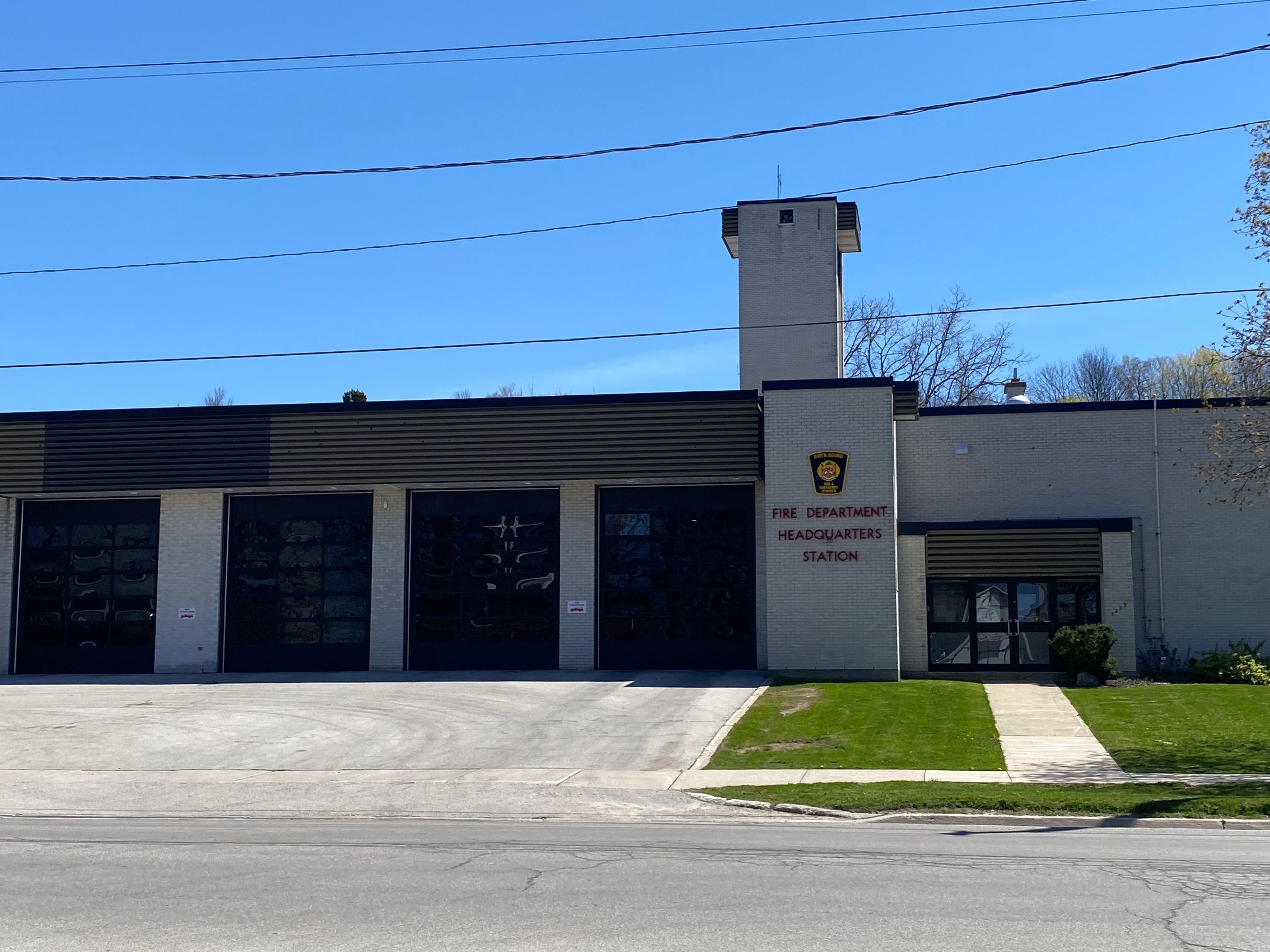
A binding arbitration decision has set wages and benefits for Owen Sound’s full-time fire department bargaining unit through the end of 2026, with the full financial impact on municipal taxpayers still being calculated.
The March 9, 2026 ruling establishes a new collective agreement between the City of Owen Sound and the Owen Sound Professional Fire Fighters’ Association, Local 531, covering the period from January 1, 2019 to December 31, 2026.
The award applies to 29 employees in the bargaining unit, including 26 suppression firefighters.
A rough estimate, based on the wage figures in the decision, suggests retroactive pay could be in the range of $1.5 million to $2.7 million (not including benefits or legal expenses), though the City says it is still reviewing the award and has not released official cost figures.
Wages Increase Retroactively
In the final ruling, the arbitrator determined that firefighter wages should follow local police compensation patterns, which he found to be the prevailing determinant in Ontario.
In Owen Sound, that means the base salary for a first-class firefighter rises from $99,821 in 2019 to $121,099 in 2026, with increases applied in each year of the agreement.
In most Ontario fire departments, firefighters progress through a salary grid based on years of service before reaching the first-class, or top-rate, level. While not all firefighters earn that amount, many do after several years, with additional pay for supervisory roles.
Those increases are fully retroactive, requiring the City to compensate firefighters for the difference between previously paid wages and the newly awarded rates dating back to 2019.
Benefit Enhancements Included
The award also includes a series of changes to benefits and entitlements, including:
Increased caps for dental, paramedical, vision, and hearing coverage
Psychological services coverage increased to $4,000 annually
A line-of-duty death benefit equal to two times salary
Maternity and parental leave top-ups at 75% of salary for defined periods
Pay differentials for certain supervisory roles set at 119% of base salary
Reduced service thresholds for five- and six-week vacation entitlements
All non-wage provisions take effect as of the date of the award.
Years-Long Process Concludes
The decision brings to a close a lengthy arbitration process that began in October 2021 and included hearings over several years, along with an interim compensation award in 2021 and a staffing decision in 2025.
City Manager Tim Simmonds previously indicated the hearings stretched over multiple years, with delays not initiated by the City. Arbitrators are not subject to legislated timelines for decisions, though several months is considered typical.
The dispute itself dates back to the expiry of the previous collective agreement at the end of 2018.
Staffing Dispute Formed Key Issue
A central issue during arbitration was the City’s effort to reduce its complement of full-time firefighters over time through attrition.
City officials had explored whether a lower-cost or mixed staffing model—combining full-time and volunteer firefighters—could be implemented. Previous studies have suggested composite fire departments may be less costly than fully career departments, though such changes require agreement through collective bargaining or arbitration.
The question of staffing levels was addressed in a separate 2025 arbitration decision and is not revisited in the final award on wages and benefits.
Fire Services Represent Significant Share of Taxes
Fire services account for a notable portion of Owen Sound’s municipal spending.
According to City budget documents, the fire department levy requirement in 2026 is approximately $6.2 million, representing about 15.9% of the City’s $39 million municipal levy.
Because wages and benefits make up the majority of fire service costs, changes to compensation levels can have a direct impact on overall municipal spending.
Financial Impact Still Unknown
The arbitration decision does not include a total cost estimate for the City, including the value of retroactive pay or the long-term impact of increased wages and expanded benefits.
Owen Sound Current has requested detailed financial information from the City, including the total cost of retroactive payments, ongoing annual cost increases, pension impacts, and how the City plans to fund the changes.
Simmonds said staff are “currently reviewing the award and the implications of the award” and expect to provide more detailed information by mid-April.
The length of the arbitration process and its outcome have drawn criticism from some community members, particularly regarding the time required to reach a decision and the role of arbitration in determining municipal costs.
Some residents have expressed concern about affordability and the degree to which council can influence spending on emergency services, while others emphasize the importance of maintaining service levels and competitive compensation for firefighters.
A previous arbitration covering the 2015–2018 period awarded wage increases that resulted in approximately $980,000 in retroactive pay, along with about $220,000 in legal costs.
The current agreement spans a longer period and includes both wage and benefit changes.
Related:


