

Council Approves Up to $30,000 for Safe 'N Sound Shelter, Backs Trillium Bid
Owen Sound approved to $30,000 for the shelter conversion, $17,000 of it from reserve — plus a letter backing Safe 'N Sound's bid for provincial outreach funding.

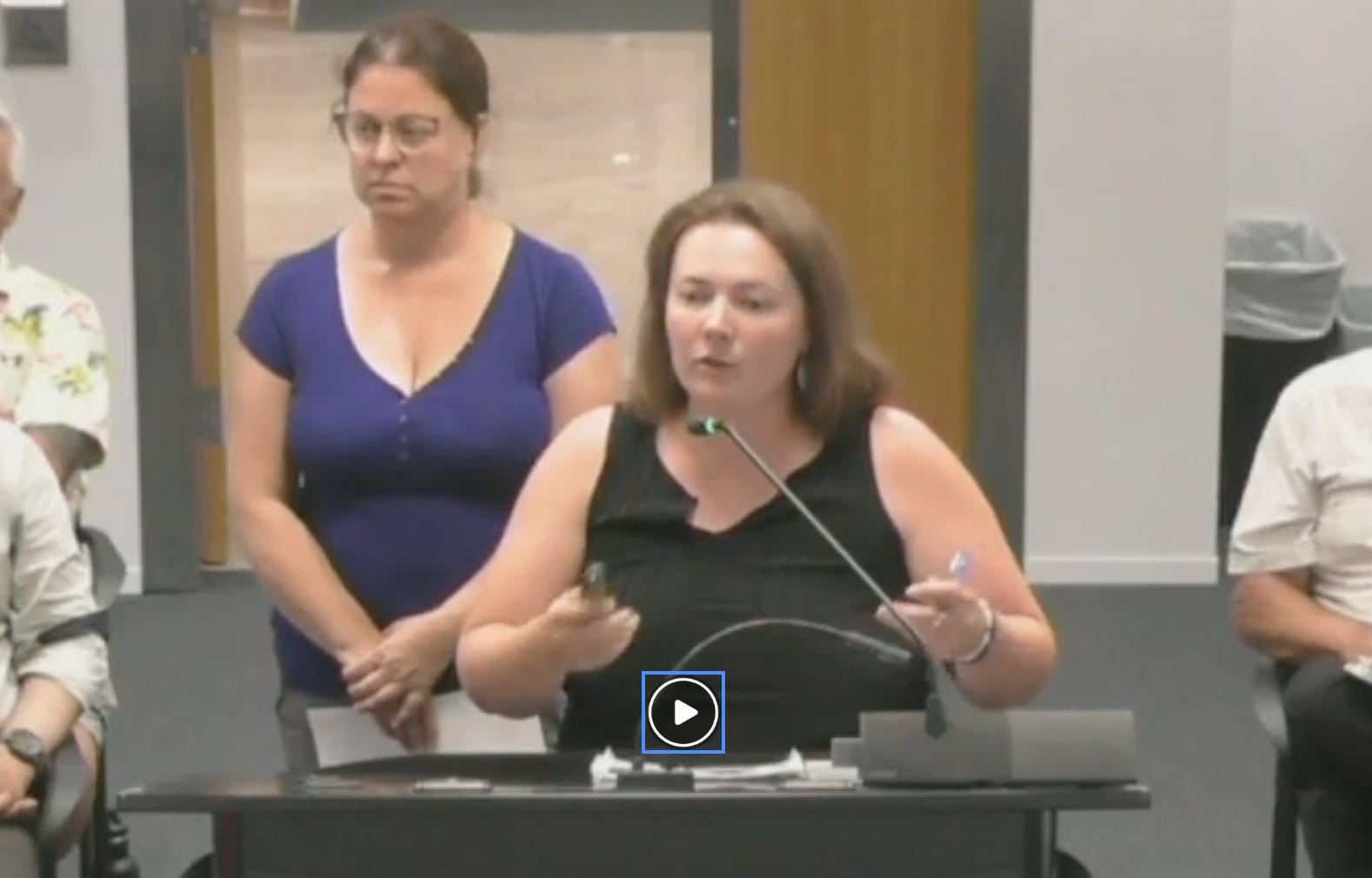
Owen Sound council approved up to $30,000 in city grants toward Safe ‘N Sound’s new emergency shelter Monday, and agreed to write a letter supporting the organization’s bid for provincial money to restart its Neighbourhood Response Team.
Neither decision came out of the two deputations Executive Director Annette Pedlar delivered that evening. The grant approval came later in the meeting, when council adopted the recommendations of its Community Services Committee.
Three grants, a $13,000 budget and a $17,000 reserve draw
A report from the city's senior planner asked council to approve three grants under the city's 2020 Community Improvement Plan for 612 2nd Avenue East, the former daycare Safe 'N Sound is converting into a 24-bed shelter.
Each grant covers 50% of eligible costs to a maximum of $10,000 — a Vacant Building Conversion and Expansion Grant, an Accessibility Improvement Grant and a Landscaping and Property Improvement Grant.
The city’s 2026 Community Improvement Plan budget has $13,000 remaining. To fund all three at their maximum, the report directs staff to draw $17,000 from the program’s reserve fund. It also directs a further $25,000 draw from that reserve to cover applications the city may receive between August and December.
The money is not paid out yet. Council directed staff to bring forward a by-law authorizing a Financial Incentive Program Agreement with the property owner, and the senior planner told the Community Services Committee that funds are not issued until the work is complete and proceeds according to the plans filed with the city.
The senior planner also told the committee the accessibility work proposed goes beyond what the building code requires for the change of use.
The committee carried the recommendation July 22 after questions to the senior planner on zoning, the scope of the accessibility work and the conditions of payment. Council adopted it as part of the committee minutes.
What the outreach pilot cost, and what council agreed to send
Pedlar’s first deputation reported on the Neighbourhood Response Team, a four-worker street outreach pilot that ran in the River District from November 1 to the end of March.
Her presentation puts the pilot’s cost at $152,000 in flow-through funding, and the cost of running the program for a full year at $285,000 — $225,000 for frontline staff, $35,000 for supervision and $25,000 for expenses including bike maintenance and warmth supplies.
Related:

The team logged 1,639 interactions and 2,226 individual supports over the pilot, according to the deputation materials. Those included 495 supports to River District businesses, 326 street outreach contacts, 191 instances of winter gear and 111 agency liaisons.
Pedlar told council the ask was a letter of support for an Ontario Trillium Foundation application, not city funding. She said she would seek the same from Grey County, and that if the Trillium bid failed she might return to council.
Councillor Carol Merton moved that staff write the letter.
Deputy Mayor Scott Greig spoke against it. He said residents have raised the idea of a moratorium on downtown service provision, and that expanding services risks drawing people from outside the community. He also said the claim that the team reduced police call volume needs to be substantiated with data.
Councillor Jon Farmer asked how the Neighbourhood Response Team differs from the Supportive Outreach Service run through the United Way. The chair declined to take the question, citing the length of the agenda.
The motion carried. The mayor counted seven votes in favour. It was not a recorded vote. Brock Hamley declared a pecuniary interest arising from employment with the Government of Ontario and did not participate.
24 beds, rising demand and pressure over neighbourhood consultation
Pedlar’s second deputation covered the facility at 612 2nd Avenue East: 24 beds in a dormitory layout, plus space for five more people to remain awake, open 10 p.m. to 9 a.m., 365 nights a year. A basement room will hold desks for partner agencies, including the hospital’s Assertive Community Treatment team, CMHA and M’Wikwedong’s housing program.
Overnight demand has risen sharply. Pedlar’s figures show average nightly stays climbing from a peak of 24 in the 2024 season to 48 last March. Total stays across the period reported were 6,060.
Indigenous people make up roughly 2.4% of the local population but accounted for 1,666 nights — 27% of the total, which Pedlar described as being more than 11 times more likely to need the service.
Related:

Safe ‘N Sound has been admitting people under 18 overnight. Pedlar said a rule barring under-18s after 10 p.m. was reversed within two nights after a young person came to serious harm downtown. She told council the new facility will not accept minors, and that Bruce Grey Child and Family Services has been informed it must pay for motel rooms instead.
Asked what happens when demand exceeds 24 beds, Pedlar said people will be turned away, and that housing people is the county’s responsibility rather than Safe ‘N Sound’s.
Councillors pressed her on neighbourhood consultation. One noted that Safe ‘N Sound told a Grey County committee in May that surrounding neighbours had been consulted, and said a neighbouring resident and business owner emailed him June 15 with strong concerns. He asked what accountability the organization would accept.
Pedlar said the organization has met with immediate neighbours, is forming a neighbourhood committee and will hold two work bees, an open house and a grand opening. She said Safe ‘N Sound lost its communications manager in January for lack of funding. She also said the only death threats she has received in the job have come from community members, not participants.
No public meeting was required for the conversion because the zoning did not change. Safe ‘N Sound has received its building permit.
A licensing by-law in the fall, and a lease already granted
The city is developing regulations that could affect the shelter. City Manager Tim Simmonds told council staff are not proposing a standalone emergency care by-law, but are looking at revisions to the business licensing by-law that could include emergency care provisions.
Staff will consult Owen Sound Police Service, Safe ‘N Sound, the United Way and the county over the coming months and report back in the fall.
Council also approved a request to lease city land west of 612 2nd Avenue East at its July 13 meeting, as part of the consent agenda. The report, from the director of community services, was not discussed.
Related:


