Between Our Steps: Winter Sounds
Contributor Cathy Hird shares the sounds of our natural world, should we step outside and brave the cold to experience it, in this edition of her 'Between Our Steps' column.
COMMUNITY CONTRIBUTION
All fall, there have been geese on the river. Sometimes, they called to each other across the water. Sometimes they honked as they flew to forage in a harvested corn field. But with the cold, ice formed on the river. The geese left. The river is silent.
The first year I moved to the shore of Georgian Bay, I learned to my surprise that the gulls are silent in winter. Raucous in other seasons, in winter, they glide along the water's edge, not making a sound. In this season, days you have to look to know they are there, to watch them soaring. They will not announce their presence.
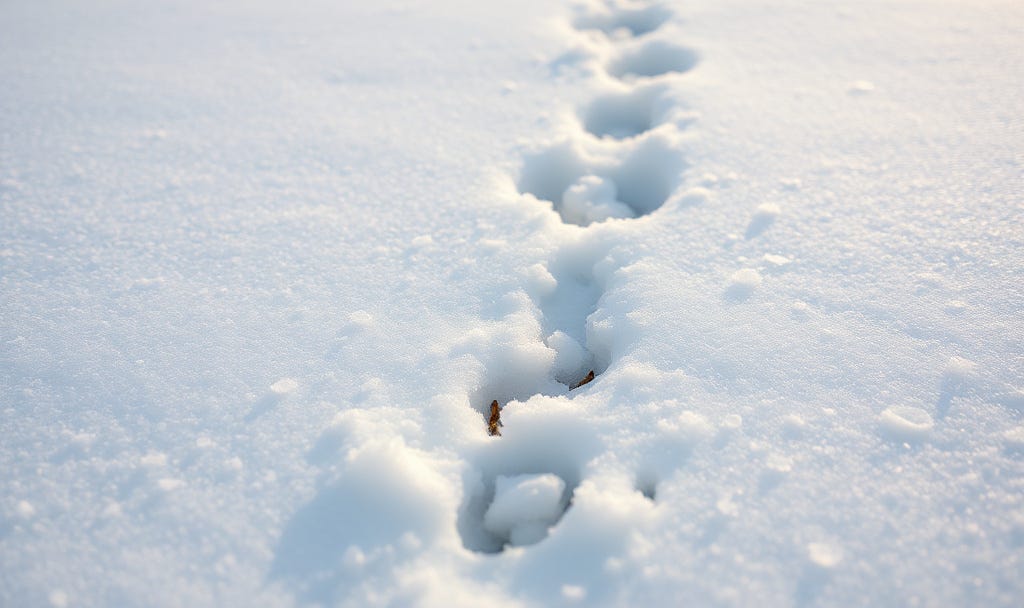
When plow and sun clear the pavement and sidewalks, I hear my footfalls, a quiet rhythm. On packed snow, especially when it is cold, each footfall brings a small squeak. The shift in weight is not noticed, but the movement from heel to toe makes a short, high-pitched sound. Something only heard in mid-winter.
All fall on windy days, leaves rattled along the road, swept from tree to ground and moved along. Now, almost everywhere, the trees are bare. The wind brushes past in silence. Except in my front yard. My oak tree stubbornly clings to many of its leaves. Some have fallen, blown into the garden. But most still hang on the branches, rustle in the wind when it blows.
My neighbours’ crabapple trees are still laden. A few robins lingered through early December to feast on these small fruit. They did not call to one another as they do in the spring, but their wings swooshed.
Blue jays are calling to one another, passing on messages. Crows and ravens seem to be arguing when they meet in mid-air. Chickadees are speaking their warnings, choosing how many dee “dees” to add to their call. At least, we know there are birds spending the winter with us.
Many of the squirrels are silent as they move from tree to fence to ground and back. But a few are making a sound halfway between a chirp and a bark, at least when the dogs and I walk by. The dogs don’t like it, maybe because it is a warning to others that a potential danger is near.
After cold clear nights, the morning air is still. No wind. These mornings are slant except for footfalls and dogs’ nails scraping on the ground. The swish of lined pants. The occasional car. The quiet is calming.
Some snow falls come without wind. Large flakes waft to the ground. Small flakes ping on the jacket. As the blanket builds on the ground, footfalls and pawfalls make less and less sound. It feels as if the world is muffled.
Then, there are squall days. Not long ago, as rain ended, blustering winds arose. Fences shook. Recycling bins toppled over, spreading paper up the road. Wind whistled in the cedars. Trees shook in the sudden onslaught. In some places, relative stillness followed. In others, there were squalls. Winds whistled in the ears, through the trees. Snow streaked through the air. Windows rattled. Branches banged.
After one ice storm, there was a crust on the snow. Walking through a park, my every footfall broke through with a crunch. Sometimes the dogs stayed on top. Others broke through, making an awkward gait, a one-of-a-kind sound.
Winter brings other sounds. The scrape of shovels as driveways and sidewalks are cleared. The roar and rasp of the snowplow. The tinny chirps of the wreath or tree that plays Christmas songs over and over. The whirr of a car spinning its tires. But as the snow piles up, even human-made sounds are muffled. And there are moments when all is still, and the world is silent in a way it never can be in summer.
Thank you to sponsors of The Owen Sound Current Writers’ Fund, who make these community contributions possible. Contributions from the community do not necessarily reflect the opinions or beliefs of The Owen Sound Current and its editor or publisher.
Related: