
AI Assistant Gets to Work Handling Non-Emergency Calls for Owen Sound Police
Owen Sound Police have launched a new AI assistant designed by a Canadian technology partner to gather information from callers and route requests, so dispatchers can focus on urgent situations.

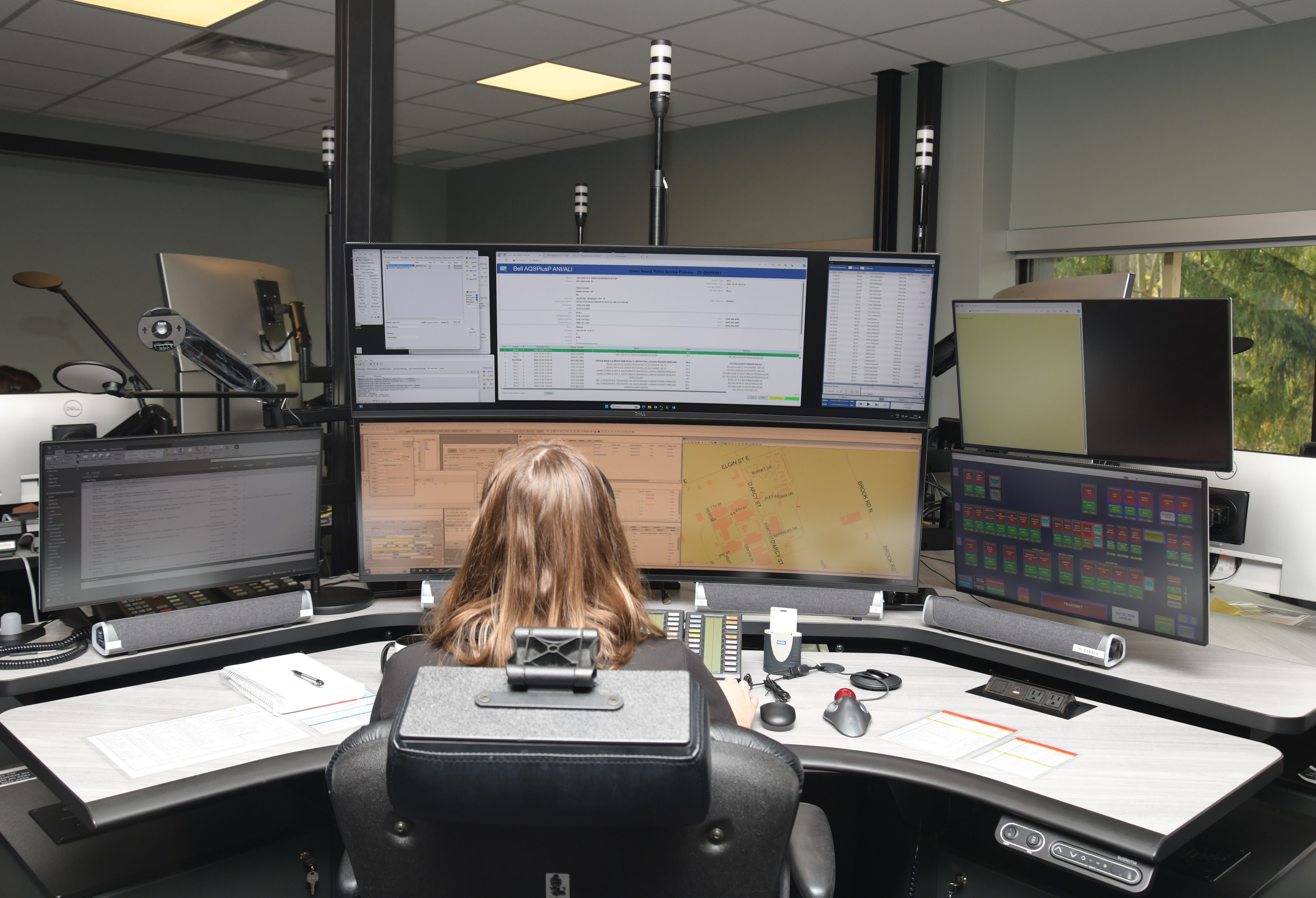
The Owen Sound Police Service has launched a new artificial intelligence answering assistant designed to help manage non-emergency calls and reduce pressure on dispatchers — a system the service helped design in partnership with a Canadian technology company.
The system, called CARA (Community Assistance and Response Agent), has been introduced at the Owen Sound Emergency Communications Centre (OSECC) to help process general inquiries, basic reports, and other non-urgent calls.
Police services across North America have reported growing demand on non-emergency lines, with calls about lost property, minor damage, and general inquiries taking up a significant share of dispatcher time.
CARA is designed to greet callers, determine the nature of their request, collect preliminary information, and either provide guidance or route the call to a human operator when needed.
OSECC is a regional dispatch hub operated by the Owen Sound Police Service. The centre provides 911 call-taking and dispatch services for six police agencies and supports emergency communications across 28 municipalities and two First Nations communities, serving a population of more than 370,000 people across Ontario.
“The introduction of CARA is an important step forward in how we support the communities we serve,” OSPS Chief Craig Ambrose said in a prepared statement.
“Our dispatchers handle a significant volume of calls every day for multiple communities across Ontario,” Ambrose explained. “By introducing AI technology to assist with non-emergency inquiries, we can ensure our dispatchers remain focused on urgent situations while still providing prompt and efficient service to the public.”
Emergencies Still Routed Immediately
Police say the AI assistant is intended only for non-emergency communications and will redirect urgent situations appropriately.
“CARA is trained to properly redirect any emergency calls to the appropriate call queue based on priority,” Ambrose said.
“That will result in the call being prioritized and answered in the same format that we used prior to the introduction of the assistant.”
Local Police Helped Shape the Technology
Ambrose told Owen Sound Current on Thursday that the system was developed through a partnership with Canadian firm HyperAI.
“This was a partnership with a Canadian company called HyperAI who have successfully entered the marketplace with several services,” Ambrose said. “We were an original adopter and helped design the custom solution needs for OSPS.”
The collaboration allowed the communications centre to tailor the AI system to the types of calls and workflows handled by its dispatchers, he said.
The company, now known simply as Hyper, was co-founded by Damian McCabe and Ben Sanders in the Yukon Territory, though its operations and team are now primarily based in Toronto.
Hyper has partnered with police services like Owen Sound Police, Cobourg Police, and Halton Police to deploy systems such as CARA or SARAH.
AI Launch Grant-Funded; Comes Amid Police Budget Pressures
Ambrose said the initial development and implementation of the system was funded through a grant and tied to the police service’s 2023–2026 Police Service Board operations plan.
“There are ongoing costs that have been factored into the budget and into any contracts for services in order to properly distribute the costs to the people using the service,” he said.
The introduction of the AI assistant also comes as the Owen Sound Police Service faces increasing pressure to find efficiencies.
During the City of Owen Sound’s 2026 budget deliberations in January, council rejected a request from the Owen Sound Police Services Board to fully fund the service’s proposed budget increase.
Council ultimately approved a smaller increase, leaving the police service to absorb roughly $150,000 in unfunded costs in the coming year.
At the time, Craig Ambrose warned councillors that the service had limited options for managing the shortfall, noting that policing operations cannot simply reduce hours or scale back mandated services.
“We can’t close early on Fridays. We can’t reduce our hours,” Ambrose told council during the budget debate. “The only lever we have left is staffing.”
The new AI system is intended to help reduce strain on dispatch operations by handling routine inquiries and non-urgent reports, allowing communications staff to focus on emergency calls and complex situations.
Because the system has only recently been introduced, police say it is too early to measure its impact on workload or efficiency.
However, Ambrose said the platform includes built-in analytics that will allow the communications centre to evaluate how calls are handled and make improvements over time.
Related:


